










 Yes! I want to help!

Navtlughi Market – Daily Bread
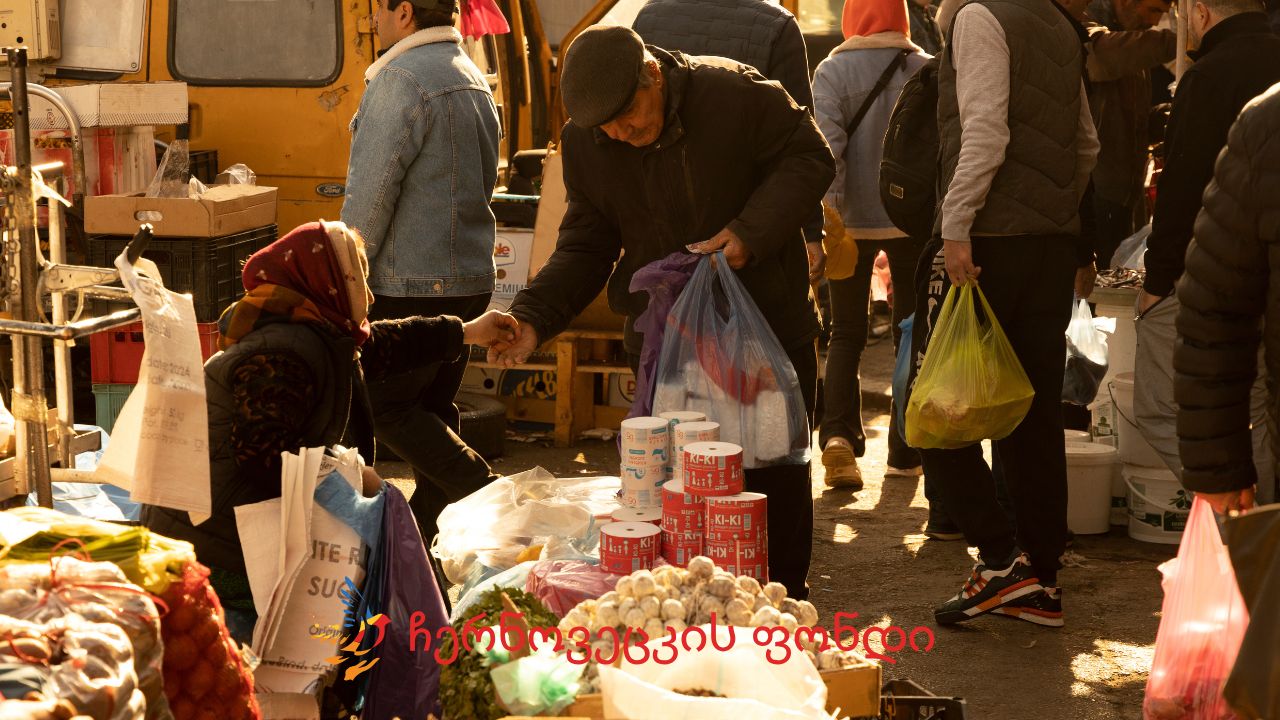
Navtlughi Market in Tbilisi wakes up before the city does. While streetlights are still glowing downtown, vendors here are already laying out their goods, stacking crates, and counting small change for customers.
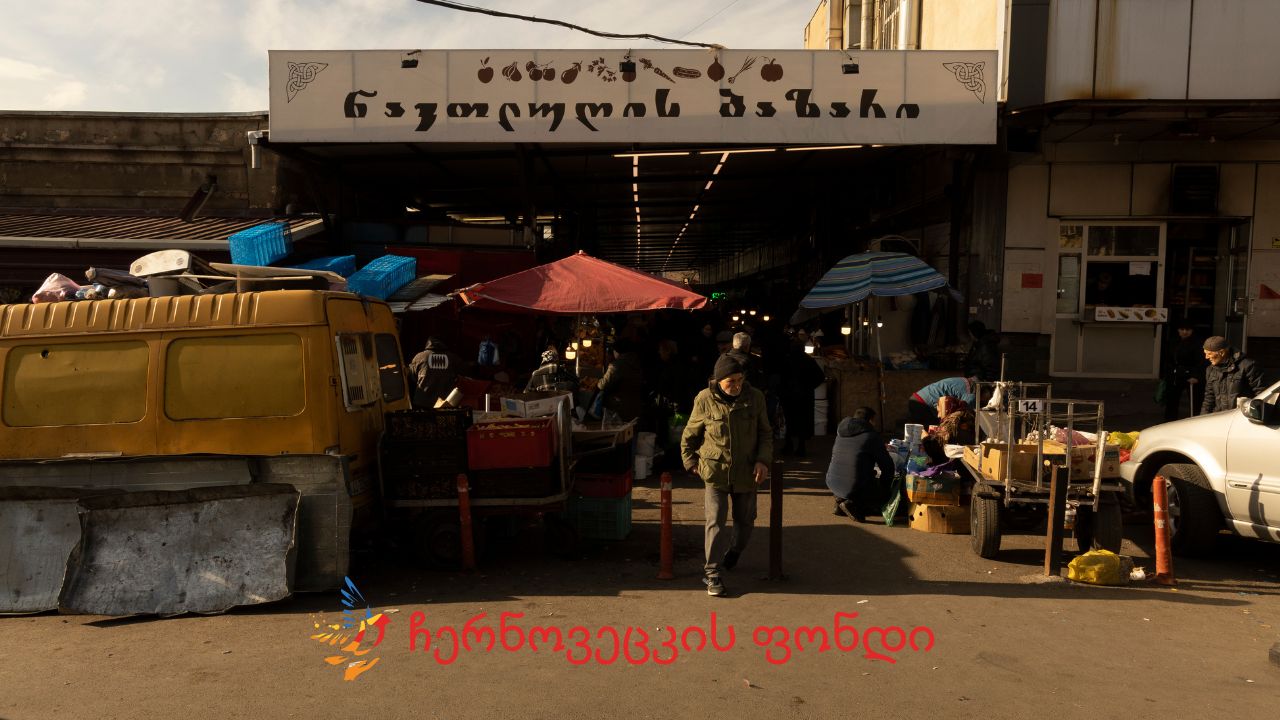
People come from Kakheti, Kvemo Kartli, and Samtskhe – most often in old minibuses, carrying boxes of vegetables, sacks of potatoes, and bunches of greens cut before dawn.
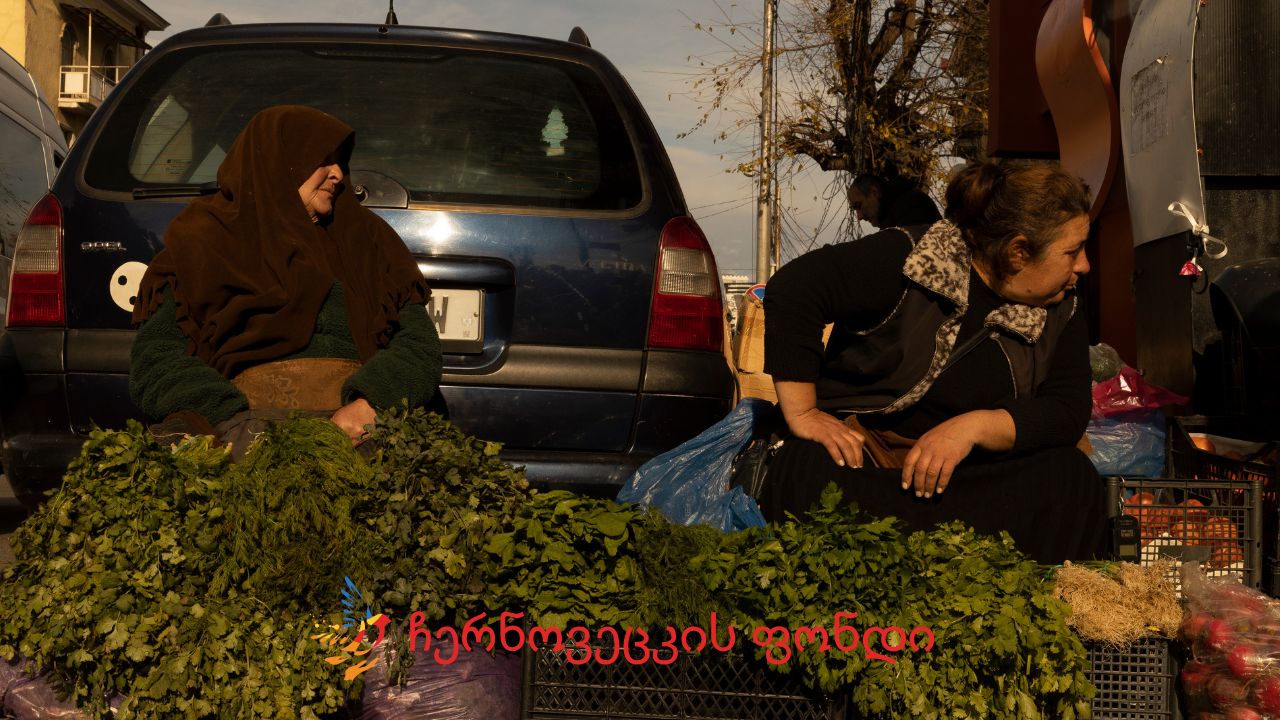
“If I haven’t sold everything by noon, it means I got up at four in the morning for nothing,” says Guram, 62, a potato seller. “You have to go home with money, not with produce. Any money at all.”
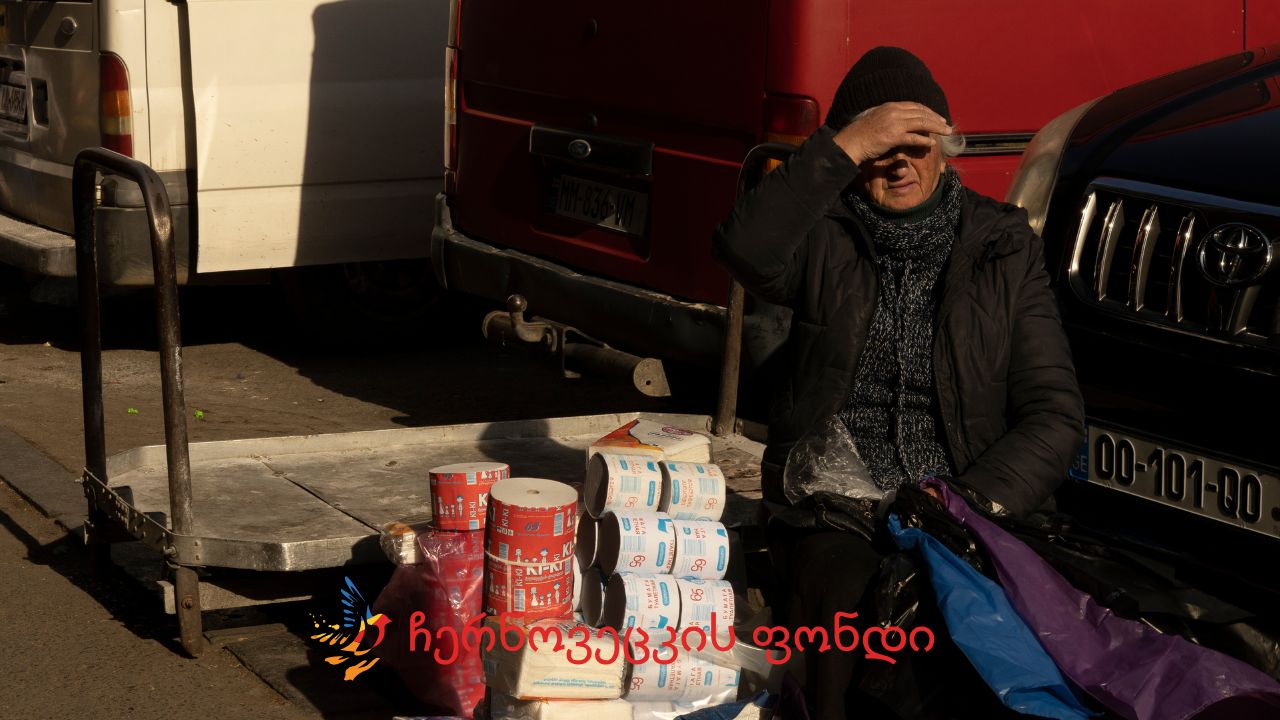
Who comes here and why
One of Navtlughi Market’s main distinctions is its prices. That’s why people cross half the city to shop here. According to customers, the difference from Tbilisi supermarkets is immediate:
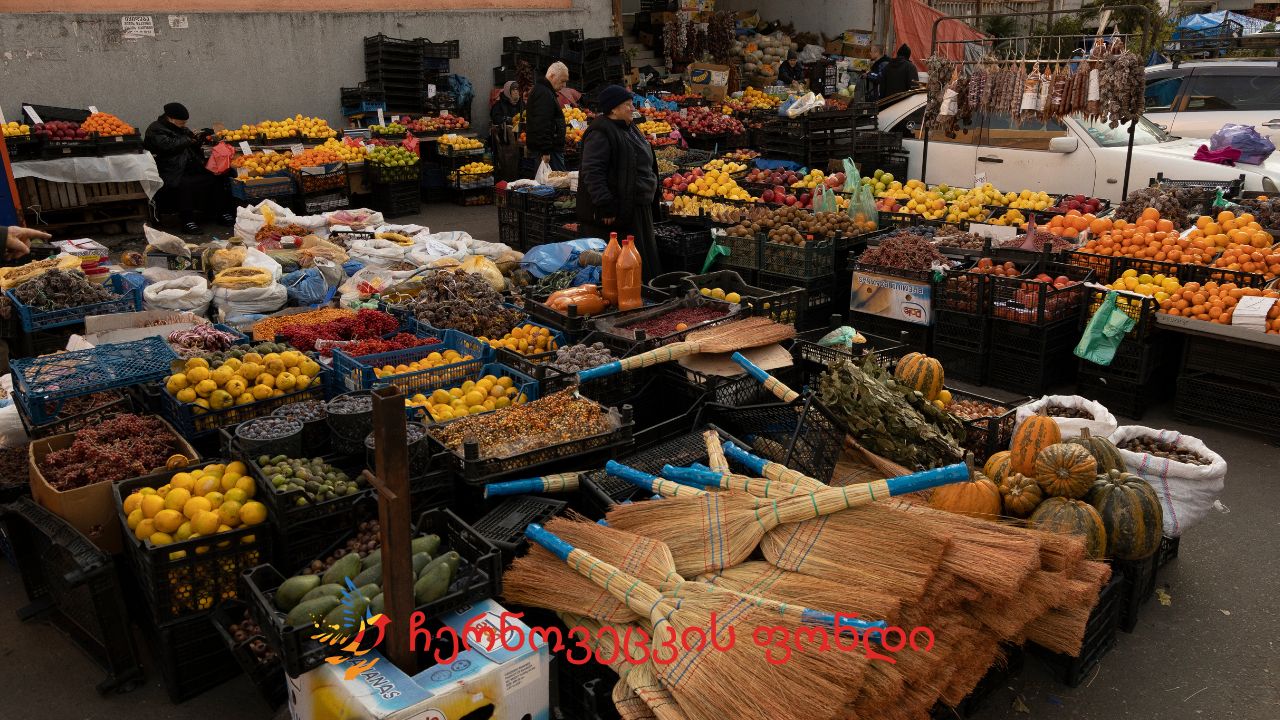
- potatoes cost 1–1.5 lari per kilo, while chain stores often start at 2.5–3 lari;
- onions and carrots go for up to 1 lari, twice as cheap as in supermarkets;
- greens sell in bunches for 50 tetri — for the same price, stores offer far less;
- seasonal fruits and vegetables are, on average, 30–40% cheaper.
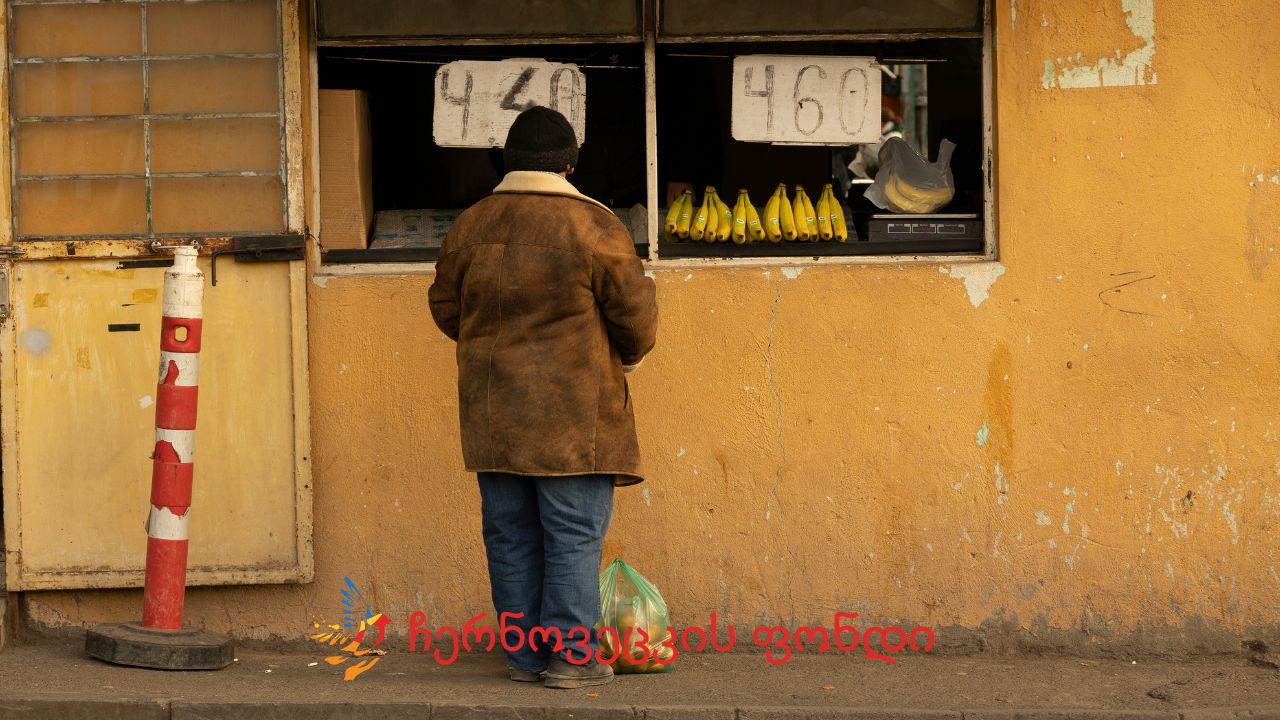
“In the store, I buy less because it’s expensive,” one shopper says. “Here I can afford enough food for several days.”
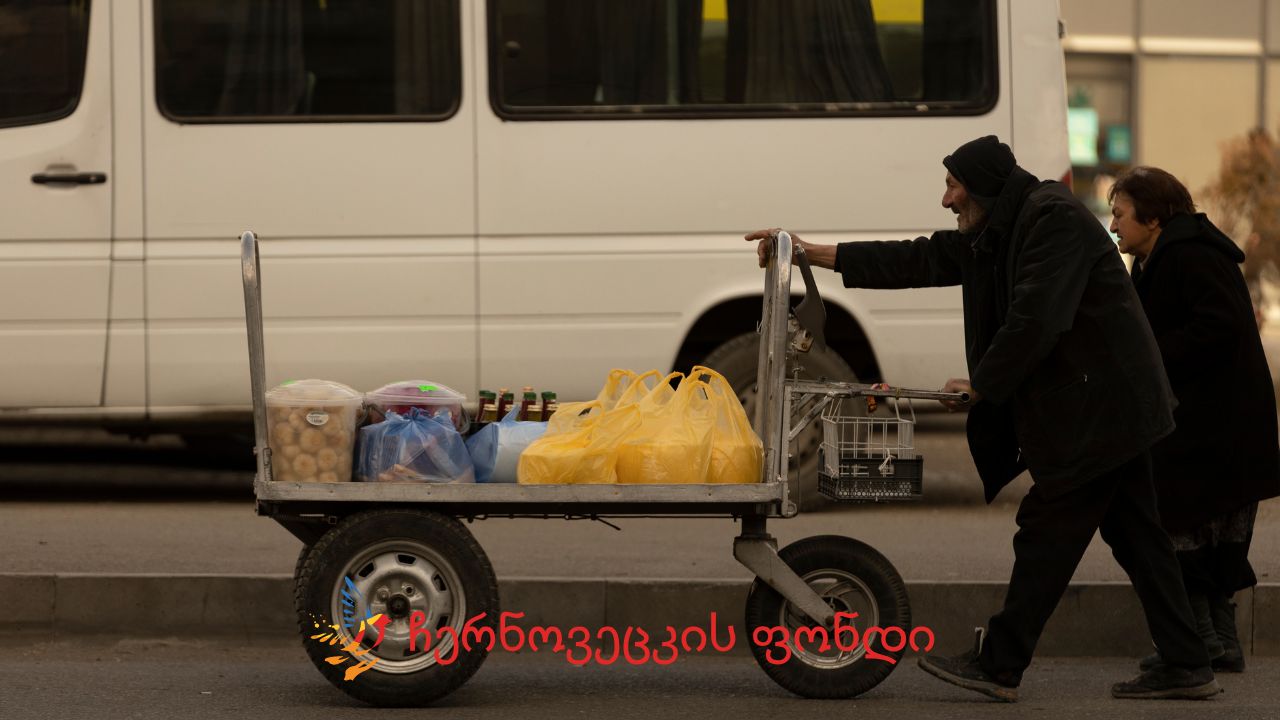
The low prices are easy to explain: many vendors sell their own produce and don’t pay for logistics, branding, or packaging. There are no glossy displays here – but there is food at its real price.
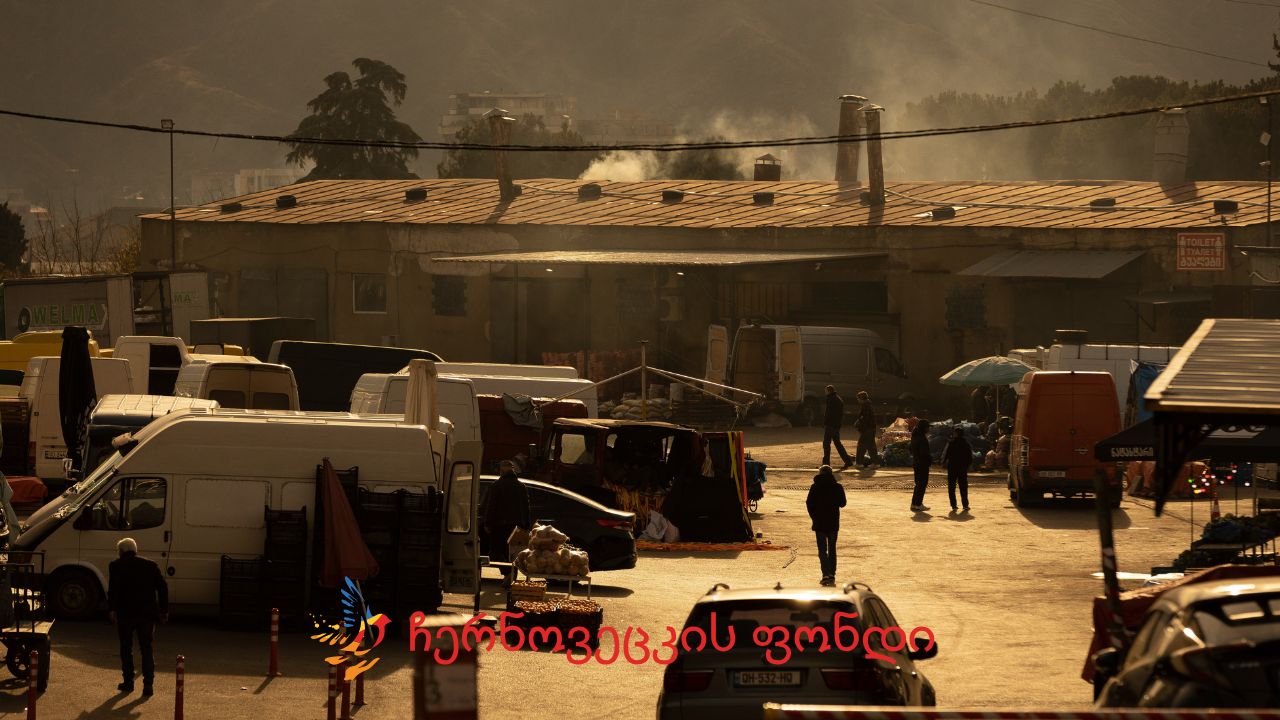
Navtlughi Market is often called one of the cheapest in the city. But “cheap” here is not about comfort. It’s about necessity.
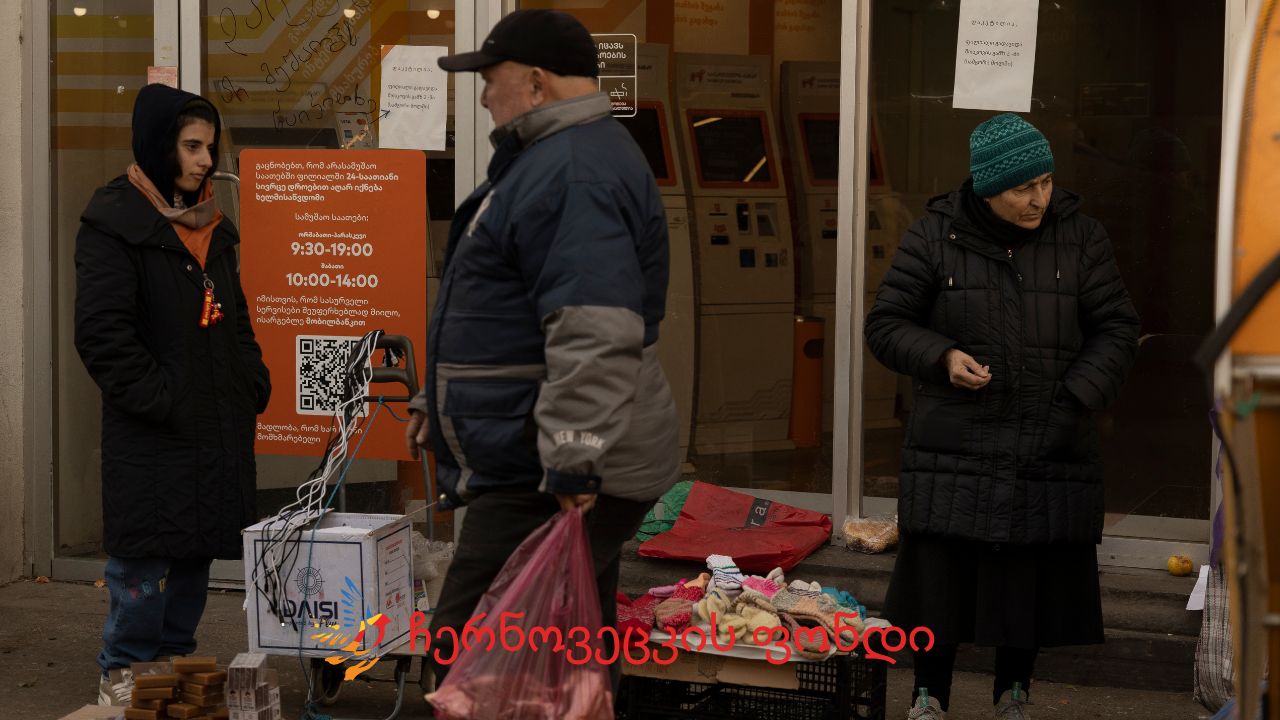
People who shop here include pensioners counting every lari, large families, those living on social assistance, and anyone who simply can’t afford supermarkets.
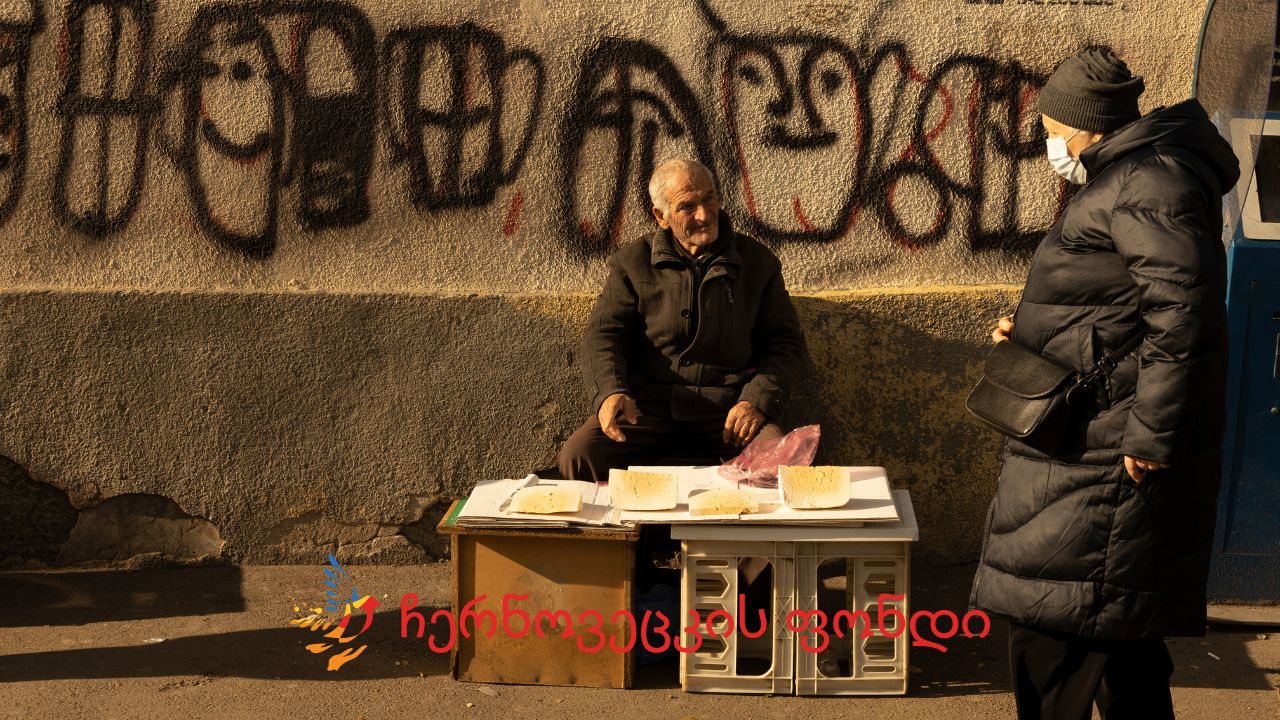
“I don’t come here because I like markets,” says Marina, a mother of three. “I come because here you can choose. Touch. Bargain.”
How to choose food – advice from the vendors
Navtlughi Market has its own unspoken rules:
Buy vegetables before 10 a.m. – later, the selection gets thinner. Check potatoes and onions at the bottom of the crate, not the top — rot shows there first.
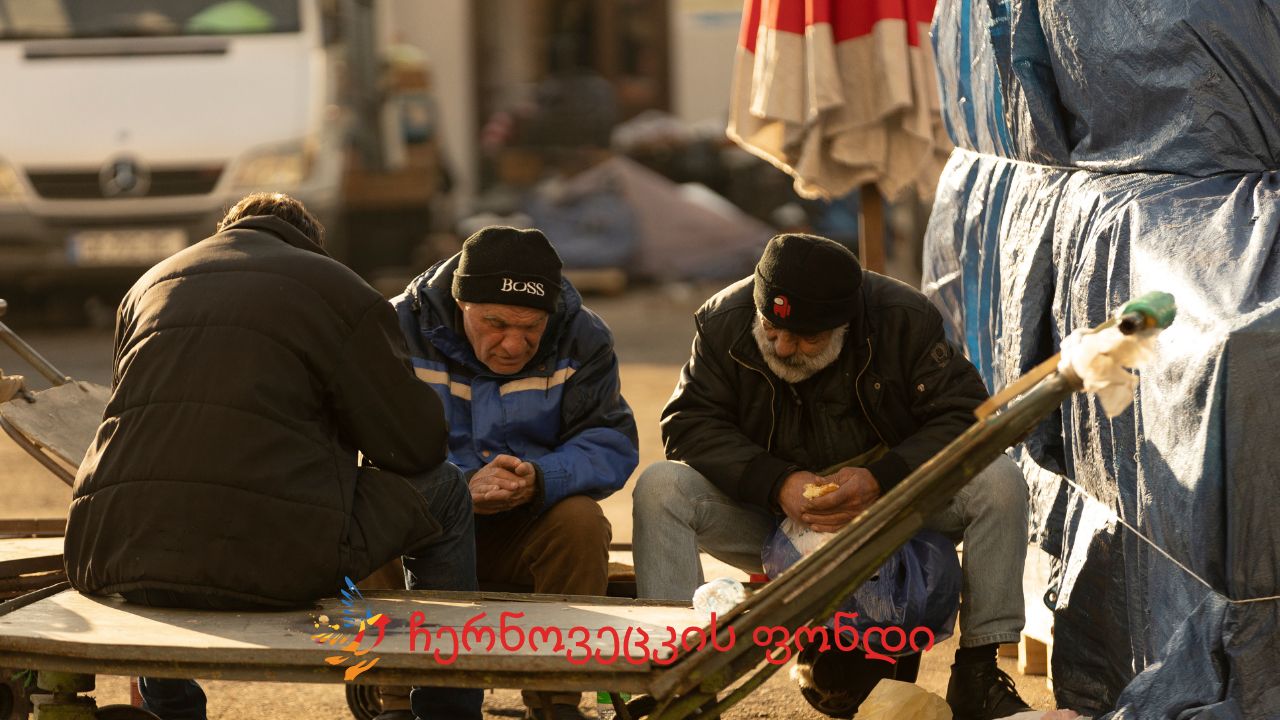
Buy greens from vendors who keep them in water — it means they were cut today. Buy meat only from trusted sellers – reputation matters more than signs here.
“If you cheat someone, they won’t come back tomorrow,” says David, a butcher.
A market of survival
For the vendors, Navtlughi Market is not a business. It’s a way to avoid hunger.
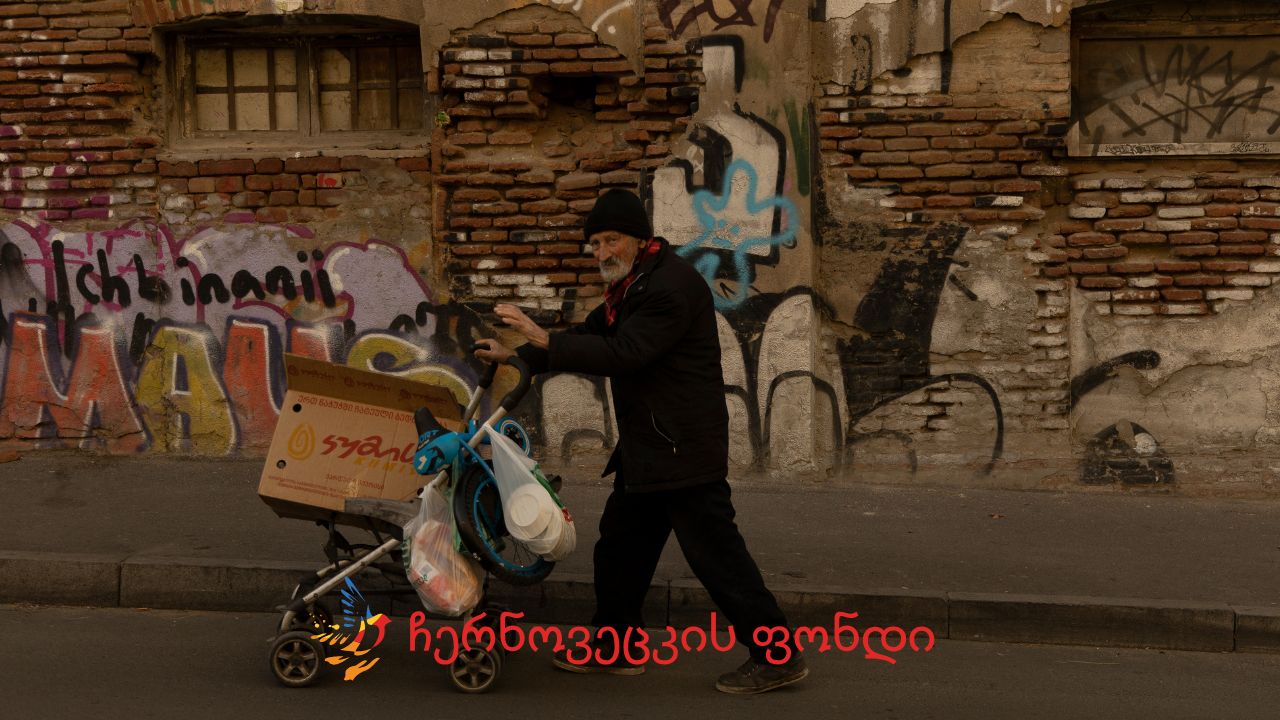
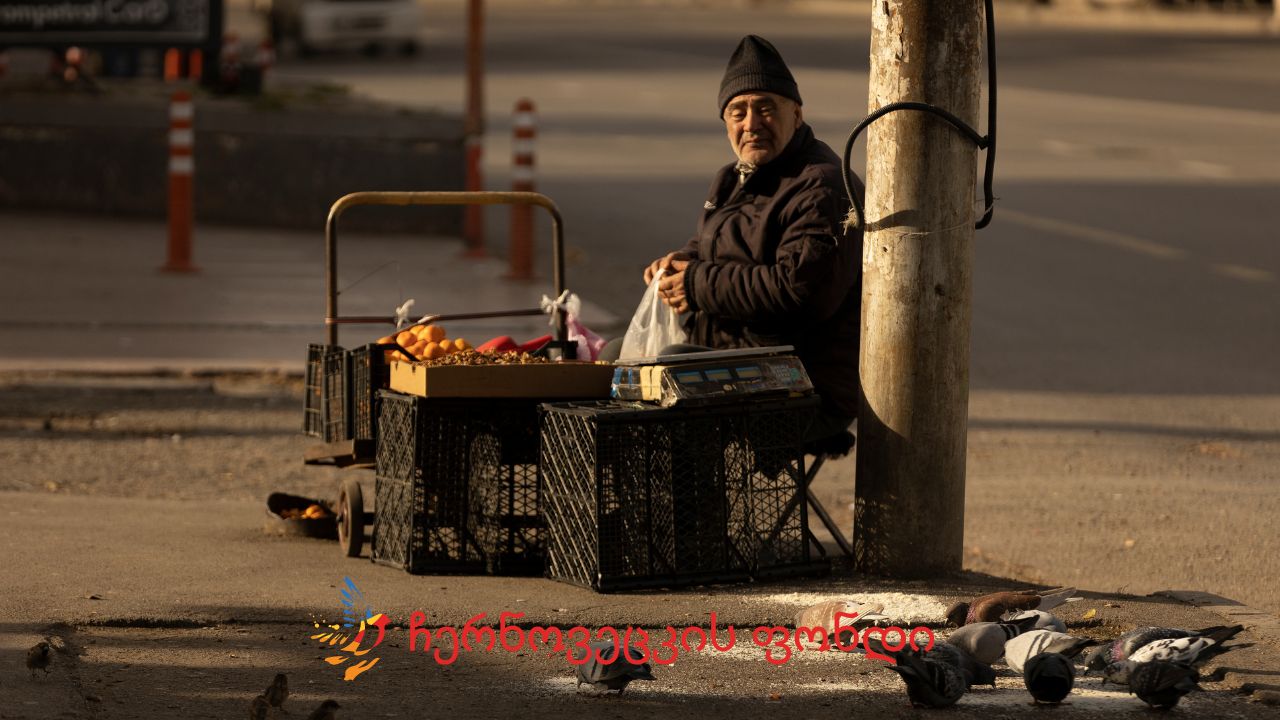
“I don’t work — I sell just to survive,” says a woman selling apples for 1.5 lari. “My pension is tiny. What choice do I have?”
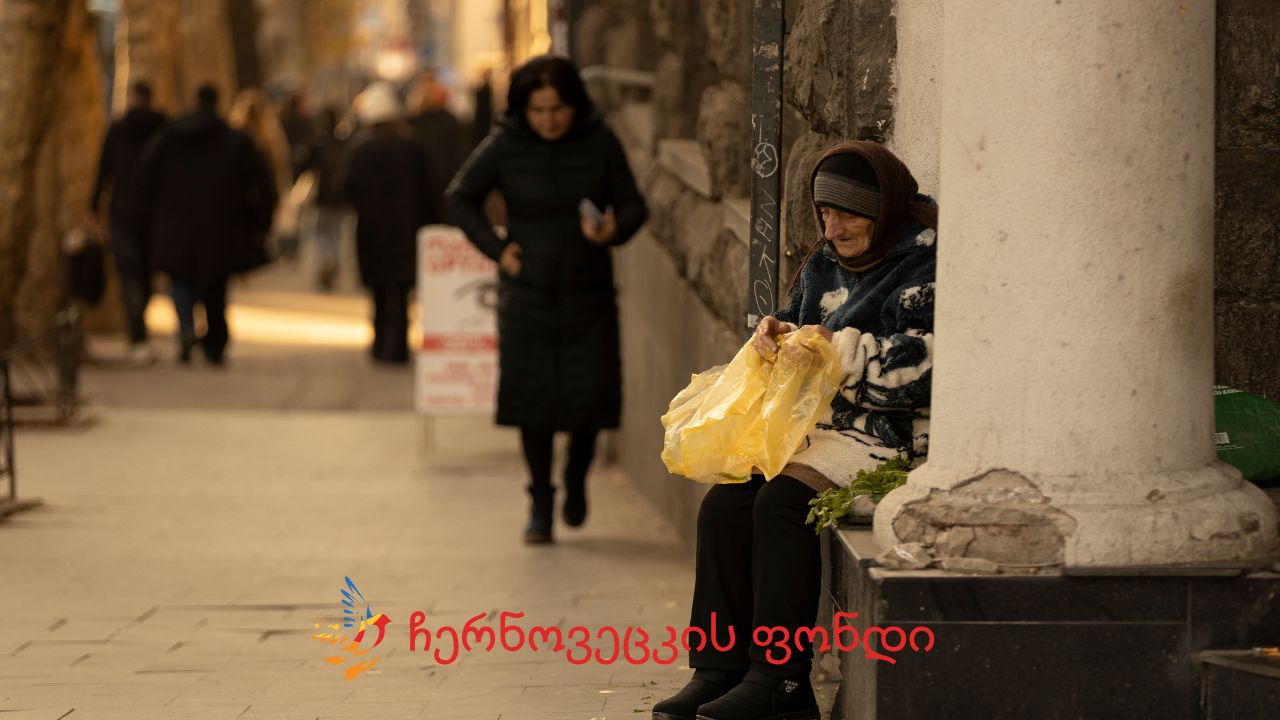
People here don’t complain loudly. They just stand. For hours. In cold, heat, and rain.
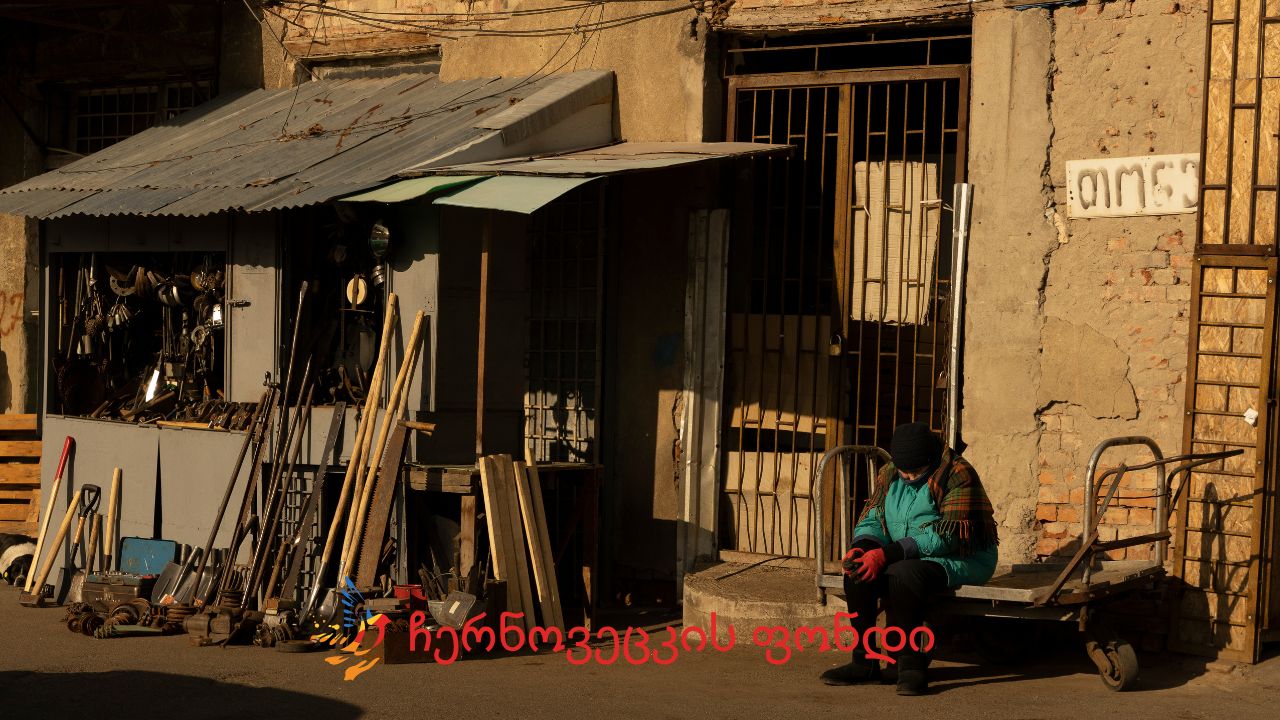
By evening, the market empties. Some leave with money earned. Others leave with the same goods they brought in the morning. But tomorrow they will come back. Because Navtlughi Market is not about trade. It’s about survival. About bread — in the most literal sense of the word.
As the New Year approaches, if you have the chance, come here and buy essential food for those in greatest need. Film it for YouTube — and we will share your act of kindness not only across Georgia, but with people in many countries around the world.
They need your help and very, very urgently!





Do you have any questions? We’ll help you!